Most work falls into five shapes. Each one has a different failure mode, and each one is planned against that failure rather than against a template.
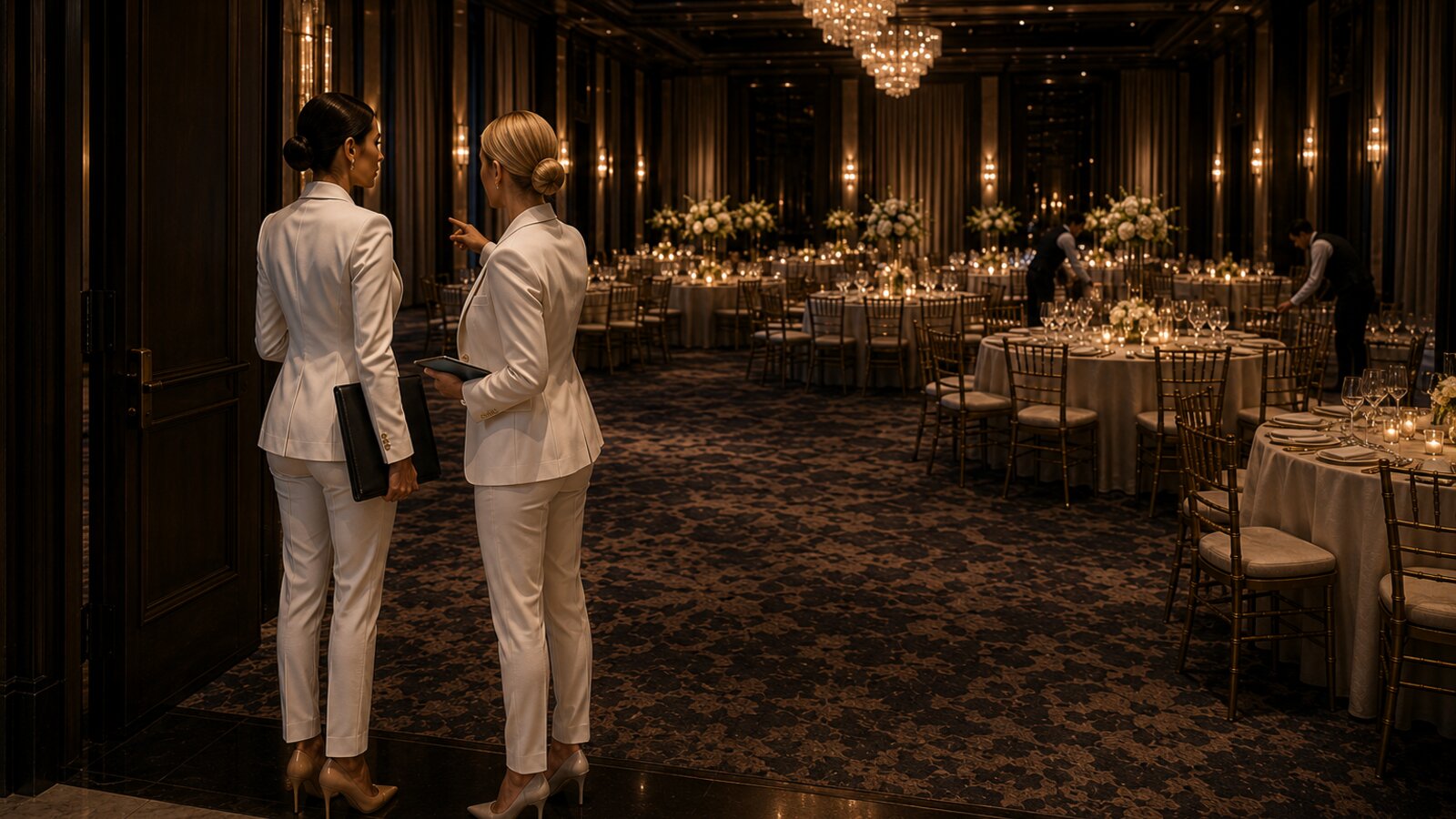
A reward program is judged on how it felt, and how it felt is decided by the parts nobody was supposed to notice.
Arrivals that do not queue. Rooms that are ready. A schedule with enough space in it that a guest can choose to do nothing. The failure mode is fatigue, so the plan protects rest as deliberately as it plans activity.
Multi-day programs where content is the point and logistics must be invisible.
The failure mode is the gap: the twelve minutes between a general session ending and a breakout beginning, multiplied by four hundred people. We plan the gaps first.
Small groups, high sensitivity, and a guest list that should not be reconstructable from the outside.
The failure mode is exposure — a published agenda, a predictable movement, a venue that leaks. Planning starts from what a stranger could learn and works backwards.
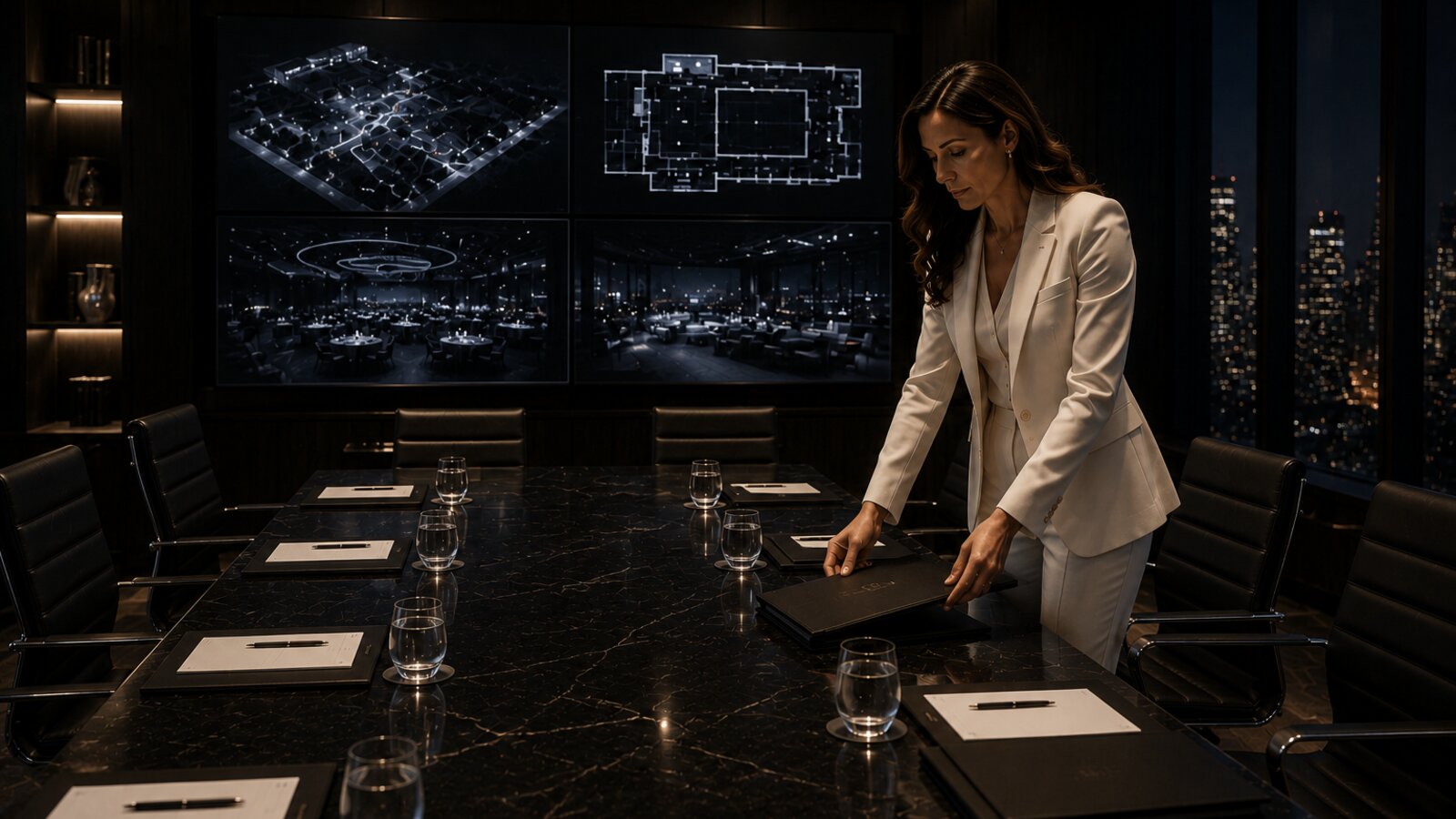
Family and personal programs where the guests are not employees and the rules of a corporate agenda do not apply.
The failure mode is friction between the family and the operation. The plan is built so that the host is a guest at their own event.
When the program exists to be seen, the discipline changes but the operation does not.
The failure mode is the build: access windows, union rules, and a venue that has another event the night before. We schedule against the building, not against the brief.
Dates, headcount, and what cannot go wrong. That is enough for a first conversation.
Begin a program LAS VEGAS